Christmas has a rich history filled with fascinating traditions that have evolved over the centuries. It all started with the ancient winter solstice celebrations. Cultures like the Romans and Celts threw huge feasts, honoring the return of longer days and the Sun. They celebrated with merriment, lighting fires, and exchanging gifts—sounds familiar, right?
As time went on, early Christians began to blend these festive customs into their own celebrations. They chose December 25th to celebrate the birth of Jesus. This choice wasn’t random; it fell around the same time as those earlier festive celebrations, making it easier for people to embrace the new holiday.
As Christmas spread across Europe, different regions added their own flair to the celebrations. In Germany, for example, people started putting up Christmas trees, a tradition that took off and became beloved around the world. Meanwhile, in England, caroling emerged as a way to spread holiday cheer, where groups of singers would go door-to-door sharing songs and good vibes.
Moving into the 19th century, Christmas started to really take shape into what we recognize today. The introduction of Santa Claus, inspired by Saint Nicholas, became a huge element. The iconic image of Santa in his red suit came from a popular poem called "A Visit from St. Nicholas," which painted a jolly picture that everyone loved.
Today, Christmas combines all these influences, with families celebrating uniquely. From decorating trees to exchanging gifts to feasting with loved ones, each tradition has a story worth telling. The magic of Christmas is all about bringing people together and keeping those traditions alive through generations.
How Christmas Evolved Over the Centuries
Christmas has come a long way from its early days. Originally, it was more about winter celebrations than the holiday we know today. In ancient times, people marked the winter solstice with festivals to celebrate the return of longer days. They lit fires and decorated their homes to chase away the darkness.
Fast forward to the 4th century when the church decided to put a special spotlight on December 25th. That’s when the birth of Jesus Christ was officially chosen as the date for Christmas. This decision turned the holiday into a big religious celebration instead of just a winter party. It brought together many traditions, creating a more festive atmosphere.
As time went on, Christmas absorbed more customs from different cultures. For example, in the Middle Ages, people started to exchange gifts and sing carols. The emphasis shifted from just religious observances to a mix of both fun and faith. By the Victorian era, this blend became even richer with the introduction of Christmas trees, decorations, and the modern idea of Santa Claus.
Today, Christmas is celebrated worldwide in unique ways. Whether you're lighting candles, sharing meals with family, or participating in a gift exchange, each culture brings its own twist to the celebration. It’s fascinating how this holiday evolved from simple winter festivities into a global celebration that brings people together. Christmas has truly become a melting pot of traditions and joy!
Unique Customs from Around the World
Christmas traditions vary greatly around the world, and it's fascinating to see how different cultures celebrate this special time of year. In Mexico, for example, people celebrate Las Posadas, where communities reenact Mary and Joseph's search for shelter. This festival builds excitement leading up to Christmas with lively processions and plenty of festive food!
In Italy, the holiday season comes to life with La Befana, a friendly witch who brings gifts to children on Epiphany. She’s said to fly around on a broomstick, filling stockings with toys and sweets for good kids, while bad ones might find a lump of coal instead. It adds a unique twist to the usual Santa Claus tradition!
In Japan, Christmas is celebrated in a surprisingly cute way. It’s not a national holiday, but many people enjoy eating KFC as a Christmas treat, thanks to a successful marketing campaign back in the 1970s! Families gather with friends to enjoy fried chicken and cake, making it a fun meal to share.
Sweden has its own unique spin with the tradition of the "Julbock," or Yule Goat. It’s a straw goat that symbolizes the pagan traditions of winter festivals. You’ll find them decorating homes and even big ones made in town squares, adding a touch of whimsy to the holiday decorations!
Modern Celebrations and Their Significance
In today’s world, Christmas isn’t just a holiday; it’s a vibrant celebration filled with a mix of old and new traditions. People all over the globe love to find ways to express their joy, embrace their culture, and create unforgettable memories with their loved ones. From big family gatherings to community events, each celebration highlights what makes this time of year special.
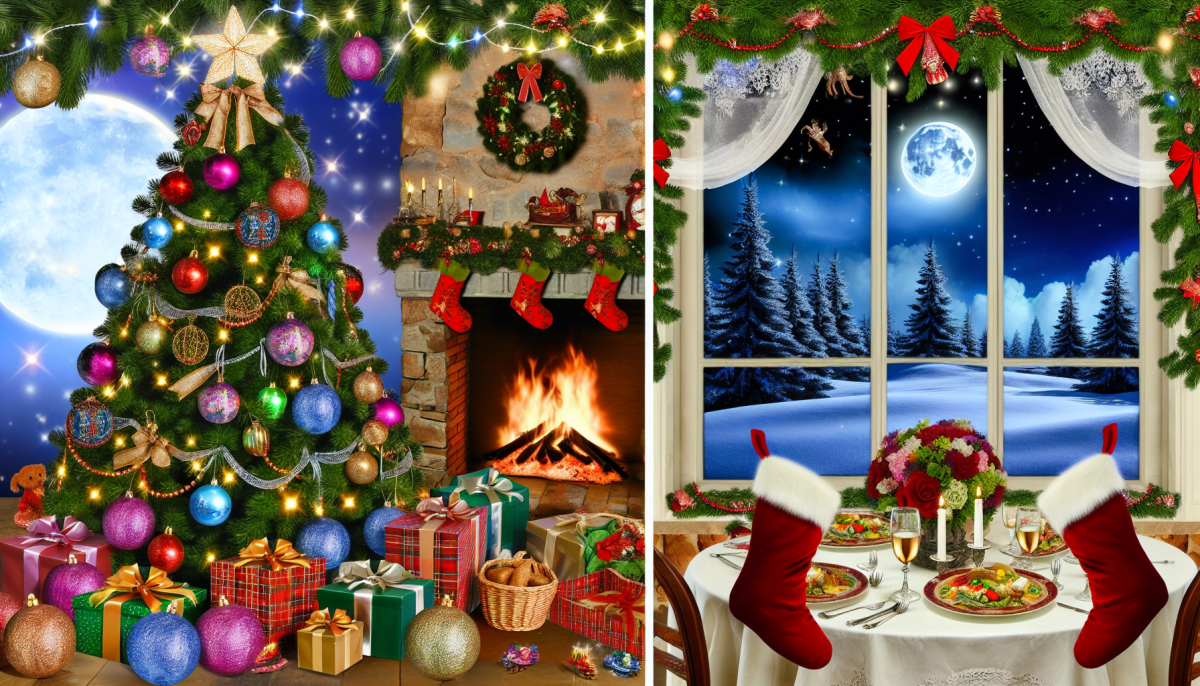
Modern Christmas celebrations often blend traditional elements with contemporary twists. For instance, many families still hang up stockings and decorate their trees but these days you'll see everything from classic ornaments to colorful lights and quirky decorations. This mix keeps the spirit alive while letting everyone add their touch. It’s all about making the holiday feel like home, no matter where you are.
Gift-giving has also evolved. While the excitement of receiving presents remains the same, people now focus on thoughtful choices. This shift is all about personal connection, with many opting for handmade gifts or experiences instead of just store-bought items. It’s heartwarming to see gifts that come from a place of love and creativity.
Food is another major part of modern celebrations! Families whip up festive meals that often reflect their diverse backgrounds. From turkey feasts to sweet treats, the dinner table has become a place for sharing stories, laughter, and holiday cheer.
Let’s not forget about the charitable side of the season. Many people and communities take this chance to give back, volunteering or donating to those in need. This beautiful gesture reminds everyone what the holiday spirit is truly about: kindness, togetherness, and spreading joy.